



Active Vacuum
Shock Absorption
Flexibility
+/- 10° Inv/Eversion
Multi-Axial
CE
ISO 22675
Advantages
Active Vacuum: Eliminates pistoning movement.
No Locks Needed: Cancels pin/lock necessity.
Firm Grip: Grips the stump firmly in socket.
Multi-Axial: 10° Inversion & Eversion.
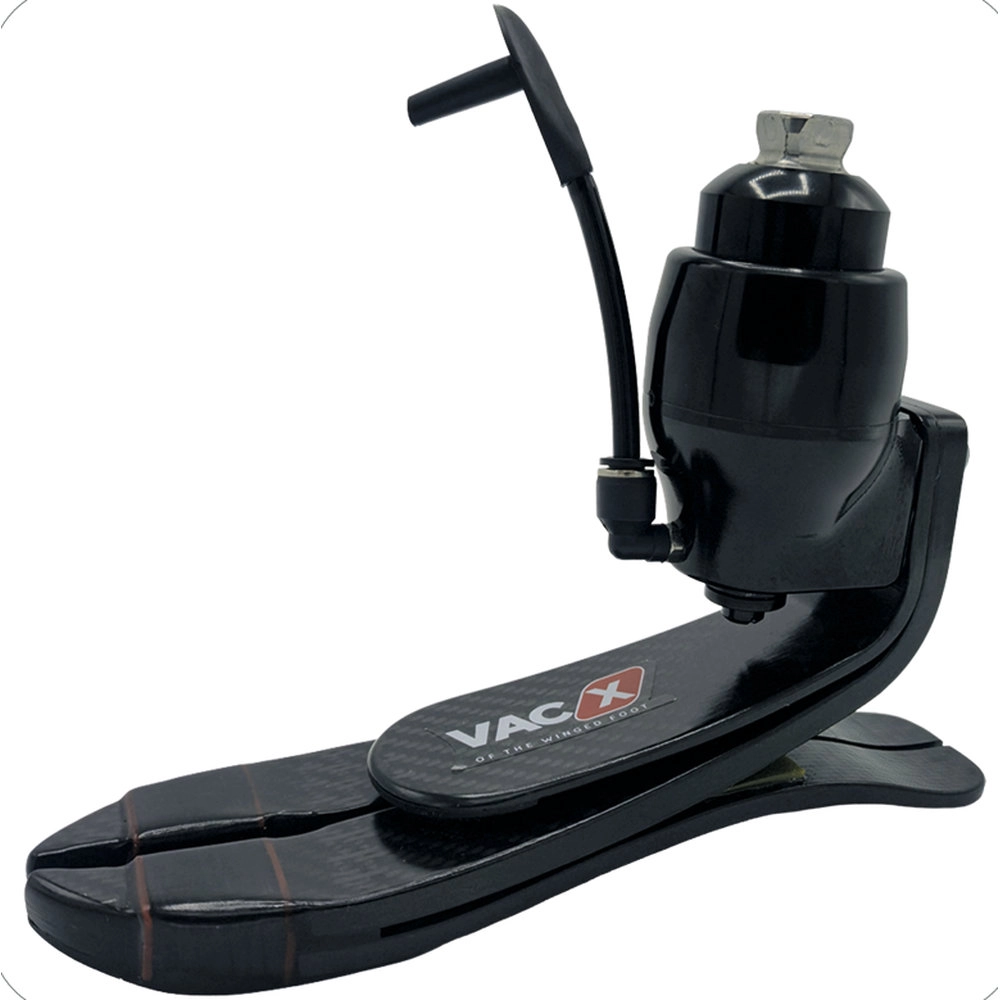
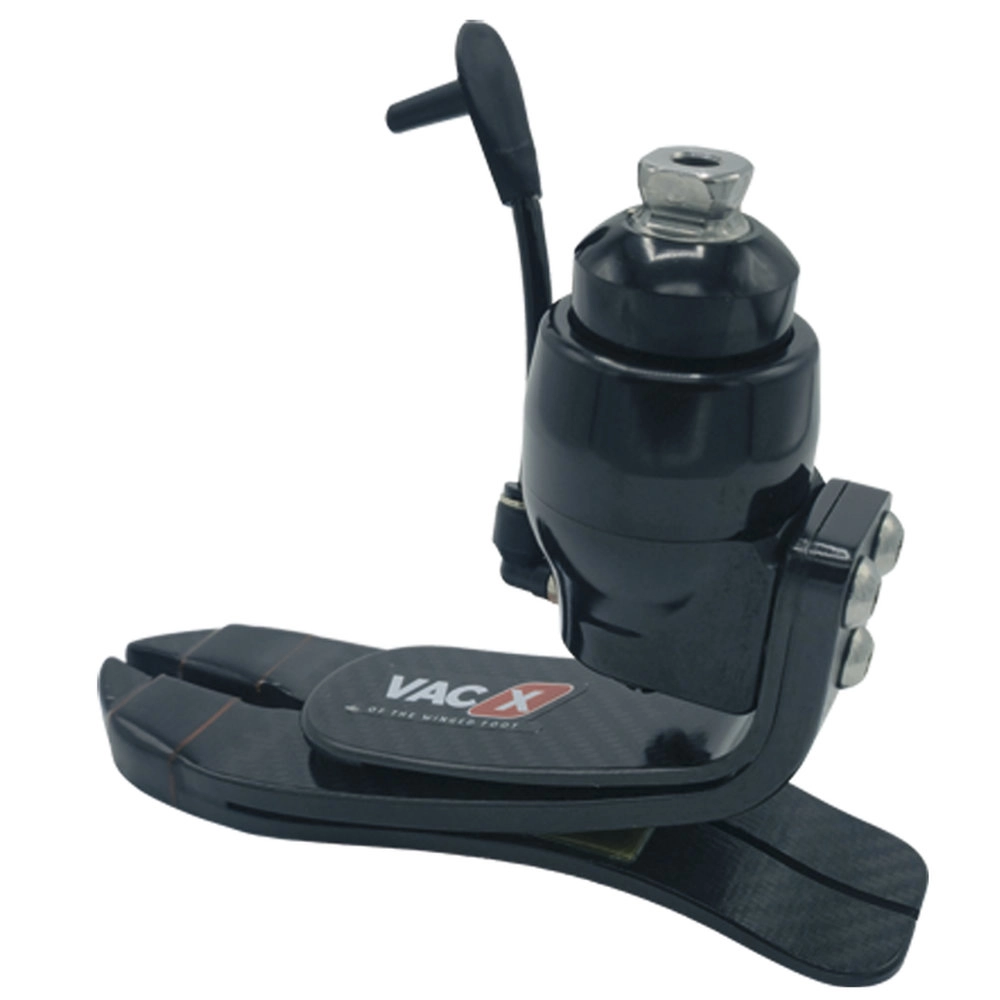
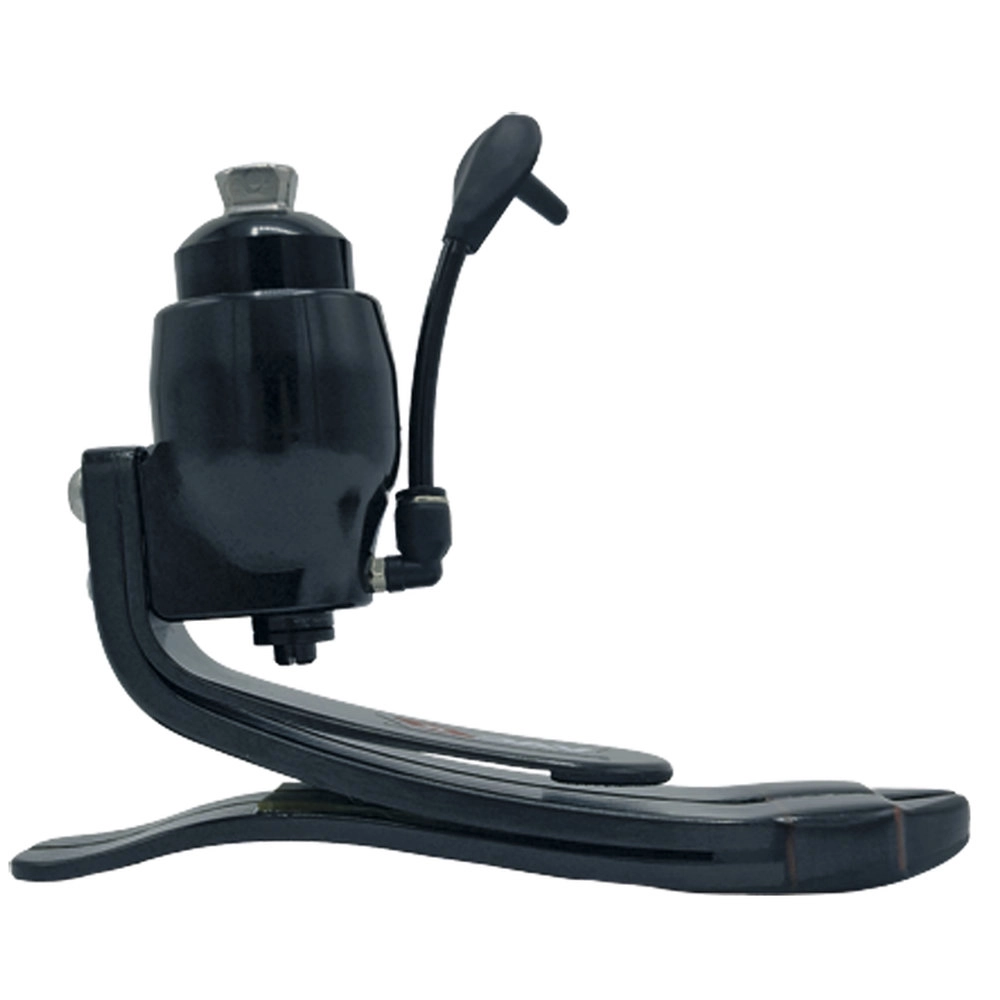
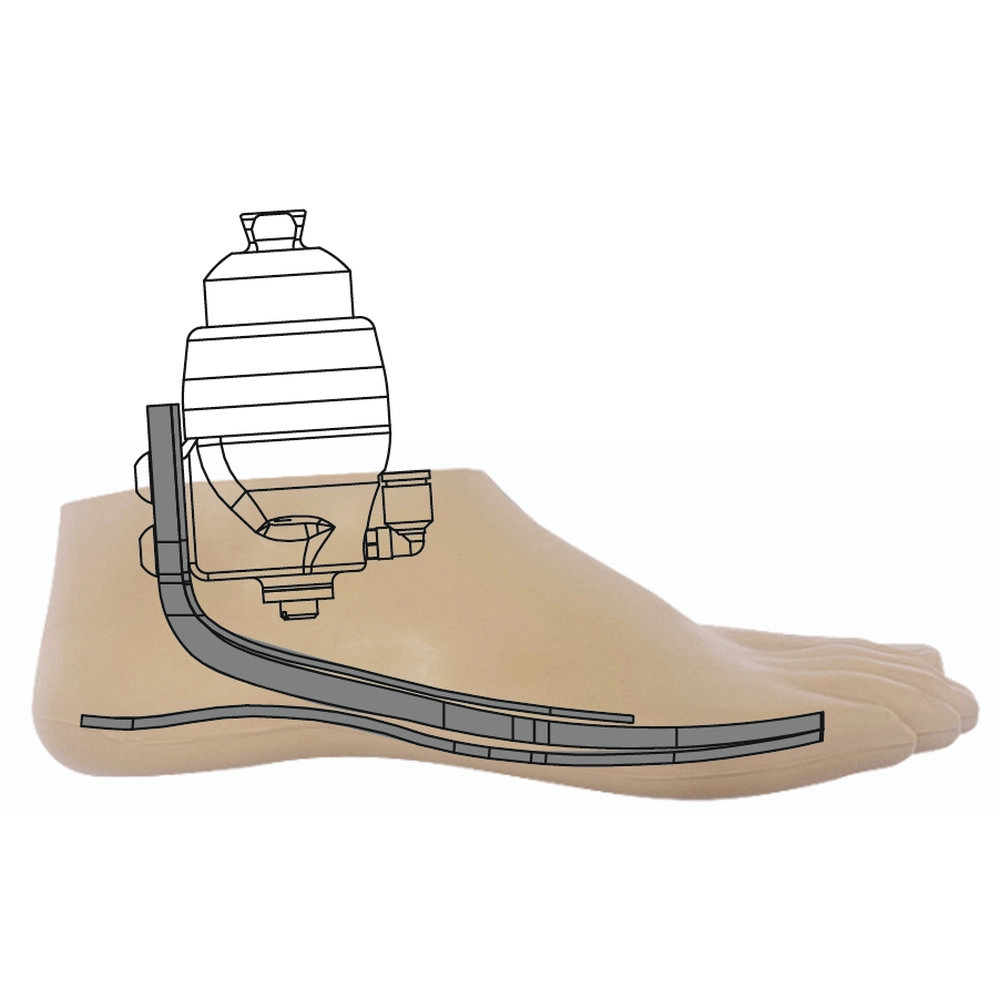
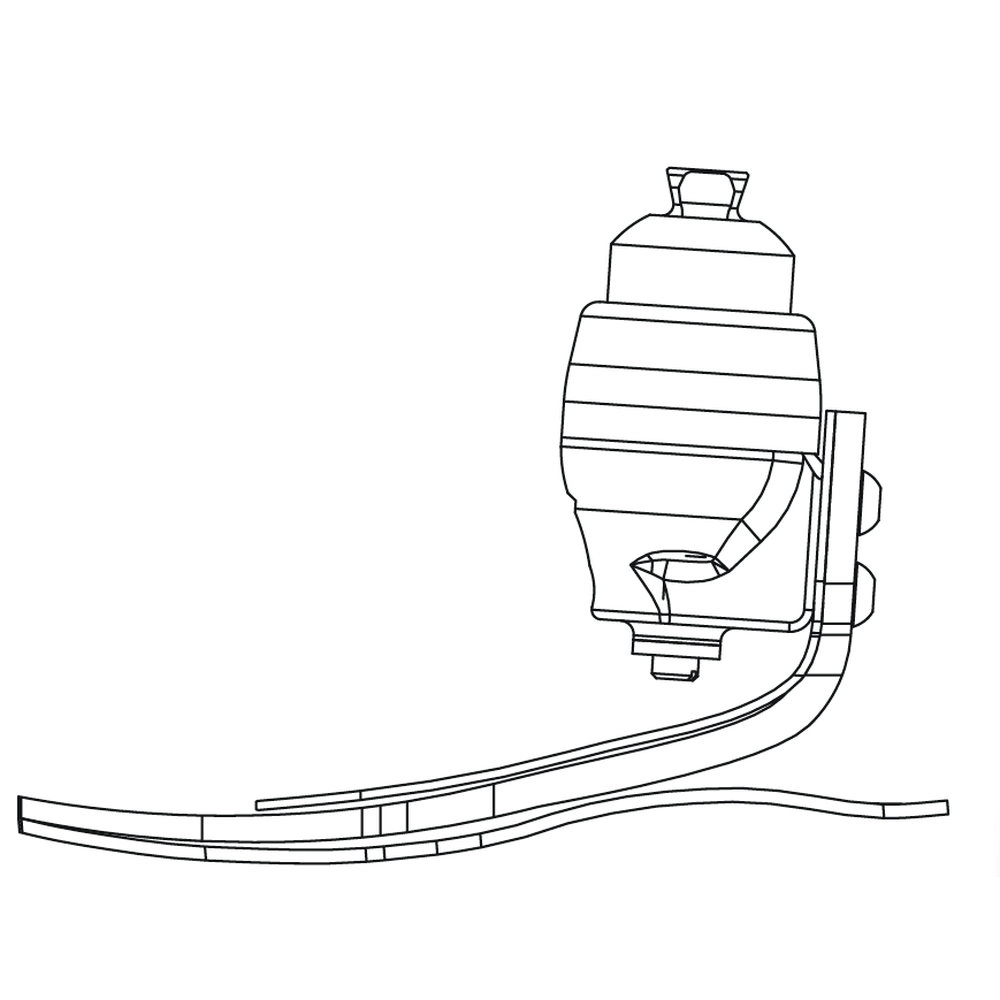
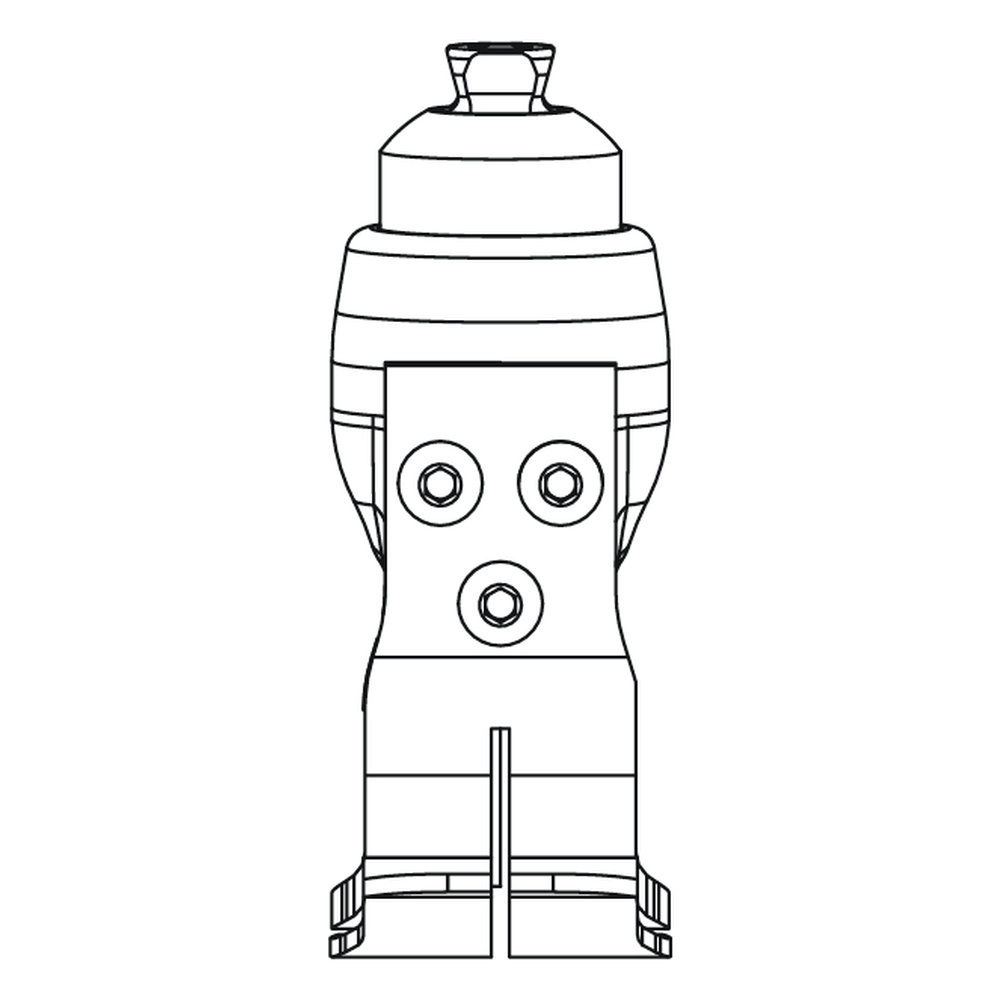
The VACX Foot is an advanced active vacuum prosthetic foot that integrates the “Active Vacuum Unit” (VAC-100) onto the proven Winged Foot structure to generate elevated vacuum suspension within the socket. This system utilizes the user’s natural gait to draw air through a one-way valve, creating a seal that prevents pistoning (vertical movement) and ensures a secure connection between the limb and the prosthesis, eliminating the need for traditional pin-lock systems.
Technological Architecture
Vacuuming Mechanism
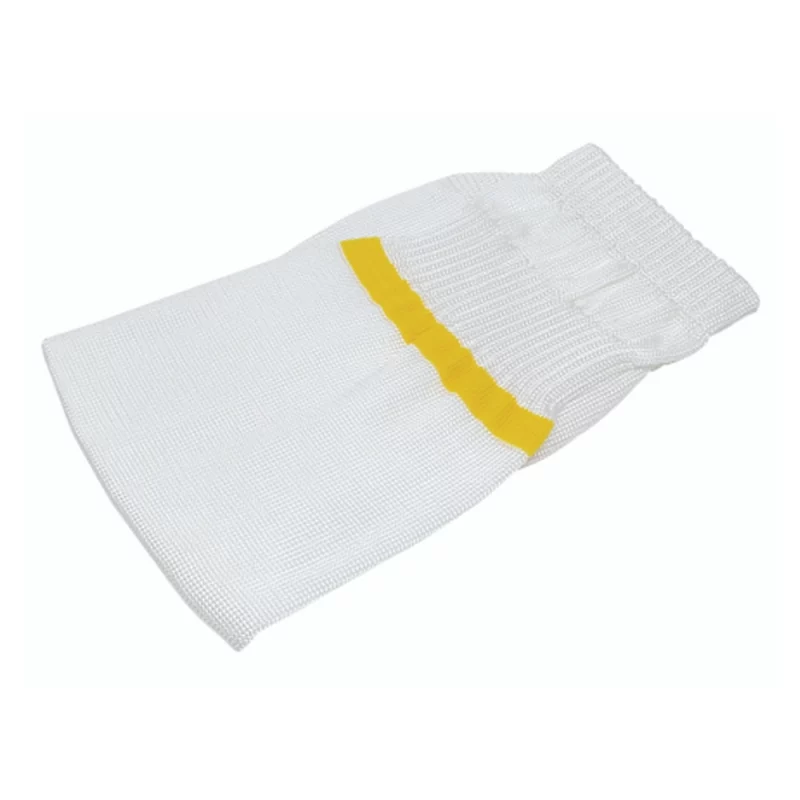
Once the socket is sealed with sleeves, the vacuum unit activates upon compression and release during walking. It draws air out through the valve, creating approximately 15 in. Hg (0.5 bar) of vacuum after multiple steps, ensuring a lock-free secure fit.
Shock Absorption & Energy
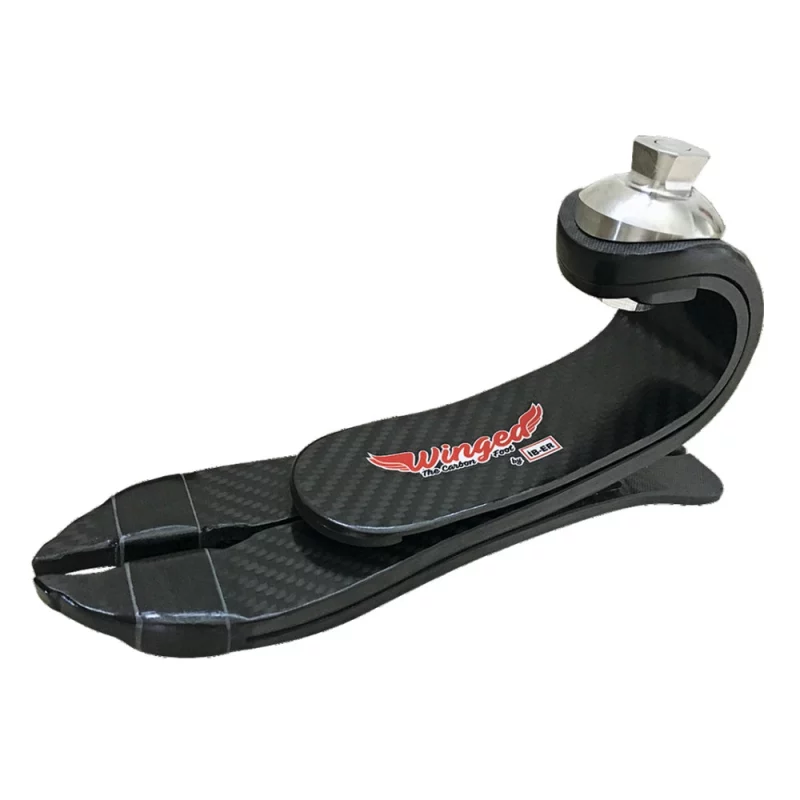
Built on the Winged Foot chassis, the VACX absorbs high ground reaction forces at heel strike. The C-shaped inner carbon plate shares the load, behaving like a shock absorber while generating the vacuum on each step.
Stiffness Selection Guide
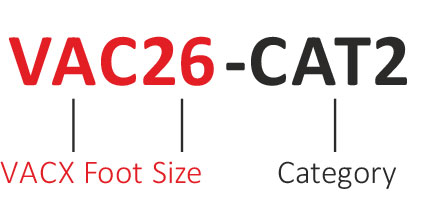
| Patient Weight | Category |
|---|---|
| 65 – 75 kg | CAT-1 |
| 75 – 85 kg | CAT-2 |
| 85 – 95 kg | CAT-3 |
| 95 – 105 kg | CAT-4 |
Technical Specifications
| Size Range | 23 to 28 cm |
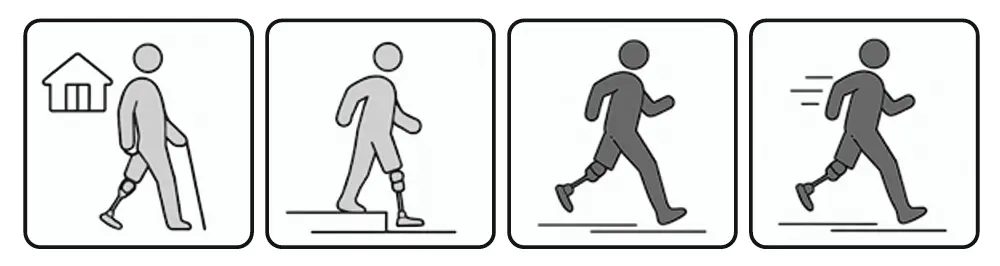
| Activity Level | K3 – K4 |
| Max User Weight | 105 Kg |
| Build Height | ~160 mm |
| Product Weight | ~740 g |
| System | Active Vacuum Unit |
Structural Durability
Loading Analysis: This technical footage demonstrates the advanced structural threshold and fatigue resistance of the carbon fiber architecture. The composite layers are subjected to high-impact gait simulations to validate long-term clinical reliability.
Dynamic Fatigue Life: Evaluating the structural integrity of the composite matrix through millions of gait cycles.
Deflection & Elasticity Analysis: Monitoring the carbon plate’s elastic response to ensure consistent energy storage and release.
Ultimate Strength Verification: Testing the maximum load-bearing capacity to ensure patient safety under extreme mechanical stress.

 Carbon Prosthetic Foot & Foot Shell
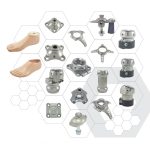 Prosthetic Foot & Modular Adapters
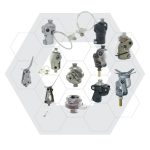 Prosthetic Knee Joints
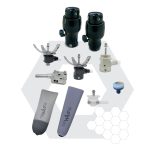 Silicone Gel Liners
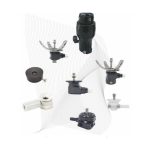 Lock Systems & Valves
 Components for Children
 Foam Covers
 Materials
 Upper Limb Components
 Orthotic Components