

Prosthetic Components Explained: A Complete Overview

Who this guide is for: Prosthetics professionals, distributors, and organizations seeking a structured overview of prosthetic components and system elements.
Prosthetic components are the mechanical and structural elements that form a complete prosthetic system. From joints and adapters to suspension systems and covers, each component plays a specific role in ensuring functionality, stability, and long-term reliability.
This article provides a complete overview of prosthetic components, explaining how they are grouped, how they function within a system, and what professionals should consider when selecting components for practical applications.
Key takeaways
- Prosthetic components form the structural and functional core of prosthetic systems.
- Components are grouped by function: joints, adapters, suspension, and interface elements.
- Compatibility and manufacturing consistency are essential for long-term performance.
- Category-specific evaluation helps professionals choose the right components.
What Are Prosthetic Components?
Prosthetic components are individual mechanical parts used to assemble prosthetic systems. These components are designed to work together, providing movement, stability, suspension, and protection within a complete prosthetic solution.
Main Groups of Prosthetic Components
Prosthetic components are typically grouped based on their function within a system. Understanding these groups helps professionals evaluate system structure and compatibility.
Lower Limb Prosthetic Components
Lower limb prosthetic systems rely on components that support controlled movement and load distribution. Common examples include:
Upper Limb Prosthetic Components
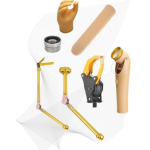
Upper limb prosthetic systems require components designed for secure connections and functional integration. These components support structural assembly and practical use.
Suspension & Interface Components
Suspension and interface components support secure attachment and user interaction with the prosthetic system. These elements are critical for comfort and reliable daily use.
Why Component Quality Matters
Quality in prosthetic components directly affects system reliability, compatibility, and long-term use. Consistent materials, precise tolerances, and controlled manufacturing processes help ensure components perform as expected across different prosthetic builds.
View IB-ER quality certificates to learn more about manufacturing and quality standards.
How to Select Prosthetic Components
- Evaluate component compatibility within the prosthetic system.
- Review manufacturing quality and documentation.
- Consider long-term availability and support.
- Assess how components integrate with suspension and interface elements.
Need detailed component information or professional support? Please visit our contact page.
Professional notice: This content is intended for informational purposes for prosthetics professionals and distributors. Component selection and application should follow professional evaluation and applicable regulations.
Frequently Asked Questions
What are prosthetic components?
Prosthetic components are mechanical parts used to build prosthetic systems, including joints, adapters, suspension elements, and protective components.
Why is component compatibility important?
Compatibility ensures that components integrate correctly within a system, supporting reliable performance and long-term use.
Where can I review quality and manufacturing standards?
You can review quality and compliance information on our certificates page.
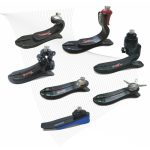 Carbon Prosthetic Foot & Foot Shell
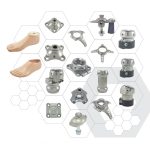 Prosthetic Foot & Modular Adapters
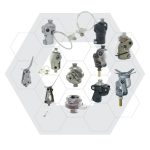 Prosthetic Knee Joints
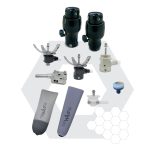 Silicone Gel Liners
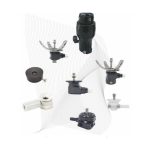 Lock Systems & Valves
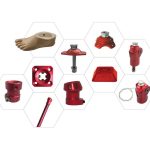 Components for Children
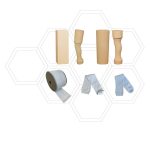 Foam Covers
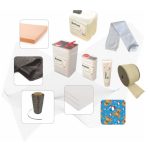 Materials
 Upper Limb Components
 Orthotic Components